Katherine Sexton’s fatal Thanksgiving crash
Deception PointKatherine Sexton’s fatal Thanksgiving crash is the loss that turns Rachel Sexton’s anger at her father into a lasting break. The accident kills Rachel’s mother on a rain-slick Virginia road; its aftermath places the family’s private grief before the news media and reveals how Sedgewick Sexton’s political ascent will proceed through a bereavement Rachel experiences as abandonment and betrayal.
Background and Circumstances
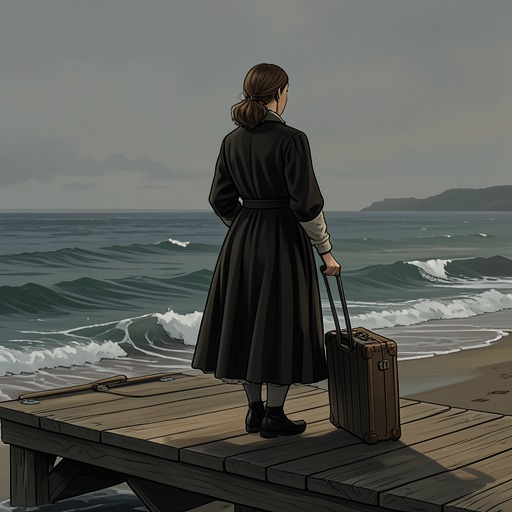
On Thanksgiving, Rachel is already distressed that her father has deserted the family for the holiday. Katherine responds to the disappointment with resolve: rather than let the food she has prepared go to waste, she will drive it to Aunt Ann’s, who has always invited the family for Thanksgiving. Rachel promises to return home as soon as she can. Katherine’s decision is practical and generous, but it places her on the road in the freezing rain that will cause the fatal crash.
The event follows years of marital strain. Sedgewick’s discreet affairs have been accompanied by persuasive alibis and indignation at the suggestion of infidelity. Katherine has endured the betrayals despite Rachel’s urging her to consider divorce, holding to her marriage vows and expressing gratitude for the daughter she had with him. The Thanksgiving journey therefore occurs against a history in which Katherine has absorbed pain rather than leave her husband; Rachel’s anger at his absence is sharpened by what she understands as a much longer failure.
Crash and Discovery
At 10:30 that night, Rachel’s taxi reaches the winding driveway of the Sextons’ estate. Three police cars and several news vans are outside, and every light in the house is on. Rachel recognizes at once that something is wrong. A Virginia State policeman meets her at the doorway and tells her that Route Twenty-five was slick with freezing rain, Katherine’s car went off the road into a wooded ravine, and she died on impact.
The account is starkly brief: a hazardous road, a car leaving it, and a death immediate enough to leave no interval for Rachel to reach her mother. Rachel’s body goes numb. The contrast between the ordinary purpose of Katherine’s trip—taking Thanksgiving food to family—and its abrupt fatal outcome gives the accident its force in Rachel’s story. A journey made in response to the family’s holiday disappointment ends with Rachel losing the parent who had continued to hold the family together.
Public Mourning and Private Anger
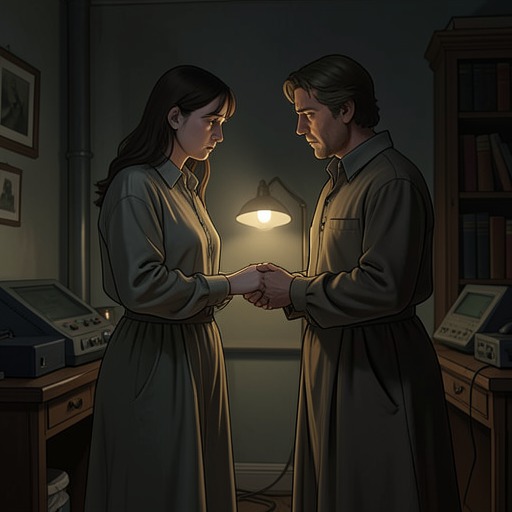
Sedgewick has returned as soon as he hears the news. By the time Rachel arrives, however, he is holding a small press conference in the living room, stoically announcing that his wife has died in a crash while returning from Thanksgiving dinner with family. Rachel stands in the wings and sobs through the entire event, present at the public account but not its speaker.
To the media, Sedgewick says he only wishes he had been home that weekend and that the accident never would have happened. Rachel’s inward response is an accusation that his regret comes years too late. The scene sets his public expression of remorse against her knowledge of his long-running infidelity and his absence on Thanksgiving itself. The press conference cannot reconcile those versions of the marriage; instead, it makes Rachel watch her mother’s death become a public story while her own grief remains at its edge.
Aftermath and Significance
From that moment, Rachel distances herself from her father in a way her mother never did. Sedgewick barely seems to notice the separation. He becomes busy using his late wife’s fortune to seek his party’s presidential nomination, and the sympathy generated by her death helps his campaign. The loss thus has sharply unequal consequences within the family: for Rachel, it is a bereavement that deepens into estrangement; for Sedgewick, it coincides with political opportunity.
Three years later, Sedgewick’s presidential run continues to affect Rachel’s private life. Her hopes of meeting a partner and starting a family are on indefinite hold as she avoids Washington suitors drawn to the prospect of a grieving potential first daughter. The crash therefore persists beyond the night it happened: it takes her mother, breaks the remaining bond Rachel had been urged to preserve, and leaves the father’s public ambition shaping Rachel’s personal future. Its decisive effect is not simply that Katherine dies, but that her death fixes Rachel’s understanding of the family’s unequal loyalties and of the political life that follows.